
Key Considerations for Relocating Employees to Miami – Fort Lauderdale
Dan bagaimana WHR menyokong penempatan semula yang berjaya ke pasaran ini
Relocating an employee to the Miami and Fort Lauderdale area can be a strong talent and business decision, but success depends on understanding how local conditions shape the day-to-day experience. Neighborhood-by-neighborhood differences, coastal risk, building and insurance costs, traffic patterns, and school boundaries can all influence timeline, budget, and employee confidence.
This overview highlights the considerations that most often affect relocation outcomes and shows how WHR helps employers set clear expectations, reduce friction, and deliver a consistent experience for employees and their families.
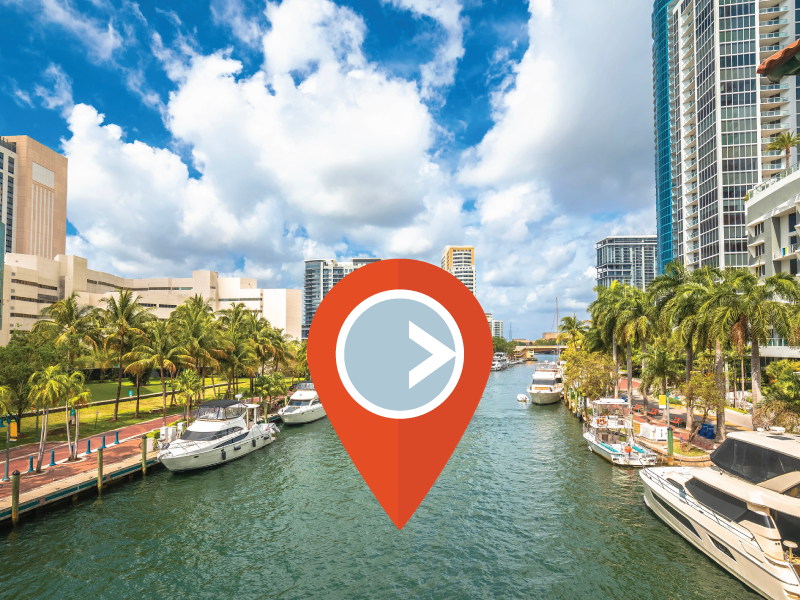
Inside the Market: Miami and Fort Lauderdale at-a-Glance
The Miami–Fort Lauderdale region is a large, fast-moving South Florida market with strong international connectivity and a diversified economy. Anchored by financial services, healthcare, technology, logistics, professional services, tourism, and international trade, the area continues to attract both businesses and talent from across the U.S. and around the world.
For employers, that combination can be a significant talent advantage. At the same time, relocation outcomes often depend on where employees settle within a broad geography spanning Miami-Dade and Broward counties. Housing costs, commute patterns, lifestyle preferences, and access to employment centers can vary considerably across the region, making location strategy a critical factor in relocation success.
One metro, many neighborhoods: why location choices drive the relocation experience
From a mobility standpoint, Miami or Fort Lauderdale functions less like a single destination and more like a set of coastal and inland submarkets with very different housing types, pricing, and risk profiles. Small location shifts can change commute time, flood exposure, building requirements, and monthly ownership costs (especially for condos with association fees and insurance). That is why two employees relocating to the same metro can have very different experiences, and why expectation-setting and location strategy often make the difference between a smooth transition and a frustrating one.
A closer look at the metro: Key submarkets and what they mean for employees
- Urban core + waterfront (Downtown/Brickell, Miami Beach, Fort Lauderdale Beach/Las Olas): High-rise condo living, walkable pockets, and proximity to business districts, but higher housing costs, association fees, and storm-related insurance considerations.
- Inland Miami-Dade (Coral Gables, South Miami, Kendall, Doral): A mix of single-family and townhome options with broader inventory, often favored for schools and space, though commute time and traffic patterns vary widely by worksite.
- Broward County (Fort Lauderdale, Plantation, Weston, Pembroke Pines, Hollywood): Popular for suburban neighborhoods and access to major corridors, with housing and rental options that can offer value compared to the most in-demand coastal areas.
- North Broward + Palm Beach-adjacent (Pompano Beach, Deerfield Beach, Boca Raton): Strong lifestyle amenities and varied housing, but seasonality and coastal risk can influence pricing, availability, and insurance requirements.
With those corridor differences in mind, the sections below summarize the local factors that most often affect cost, timing, and employee confidence during a relocation in the Miami and Fort Lauderdale area.
Miami and Fort Lauderdale Housing Market Dynamics and Cost Exposure
The Miami and Fort Lauderdale housing market is highly localized, with meaningful variation by neighborhood, proximity to the coast, building type, and flood zone. Employers should avoid planning relocations based solely on metro-wide averages, especially when the employee’s work site, commute tolerance, and family needs quickly narrow viable submarkets. In South Florida, monthly housing costs are also shaped by factors beyond price or rent, including association fees, insurance, and building compliance requirements.
Pertimbangan Utama:
- Pricing and availability can differ sharply between coastal and inland neighborhoods, as well as between Miami-Dade and Broward, affecting timing and cost
- Condo and high-rise living is common in many core and waterfront areas; association fees, reserve requirements, special assessments, and building rules can materially change affordability and decision timelines
- Insurance is a major cost variable. Wind and flood coverage (and hurricane deductibles) can influence both renting and buying and may affect which properties are viable under a relocation budget
- Inventory can shift with seasonality, interest rates, and condo market conditions, so timelines for home-finding and lease-up may be less predictable than employees expect
Hidden Challenge:
In South Florida, the monthly cost can be misread if employees focus only on rent or mortgage. Condo association fees, insurance premiums, flood zone requirements, and special assessments can shift affordability quickly and create late-stage surprises if they are not explained early.
Di mana WHR Menyokong:
- Providing market-specific housing guidance to employees through experienced Relocation Counselors who, with our local supplier partners, understand Miami-Dade and Broward submarkets and common constraints
- Membantu pekerja menetapkan jangkaan perumahan yang realistik lebih awal, mengurangkan kelewatan, carian yang gagal dan pengecualian dasar
- Coordinating vetted local real estate and rental resources while remaining independent and unbiased, ensuring housing decisions align with both employee needs and employer policy parameters
- Providing access to a neighborhood insights tool that helps compare areas using objective data (such as housing characteristics and local demographics), supporting more confident housing decisions, and reducing time spent on unproductive searches
Miami and Fort Lauderdale Duty of Care and Environmental Risk Planning
Relocations to the Miami and Fort Lauderdale area require employers to address weather and coastal risk as part of their duty-of-care responsibilities, including hurricane season, storm surge and flooding, extreme heat, and severe rain events that can disrupt commuting and move logistics.
Pertimbangan Utama:
- Hurricane season runs June 1 through November 30, and preparedness planning (alerts, supplies, evacuation zones, and sheltering expectations) should be integrated into relocation timelines
- Flooding risk can vary block by block due to elevation, drainage, and coastal exposure. Employees may need guidance on flood zones, insurance expectations, and what heavy rain or king tides can mean for daily routines
Hidden Challenge:
New transferees often underestimate how quickly weather events can affect commuting, school schedules, and move logistics. Without proactive guidance, disruptions tied to storms, flooding, or extreme heat can increase stress and trigger temporary housing extensions, delayed deliveries, or last-minute changes.
Di mana WHR Menyokong:
- Integrating local preparedness education into the relocation process so employees understand what to expect during hurricane season, including storm readiness, flooding awareness, and recovery considerations
- Memberikan panduan yang konsisten dan berfakta melalui Kaunselor Penempatan Semula, mengurangkan maklumat salah dan kebimbangan yang tidak perlu
- Membantu majikan menunjukkan pendekatan kewajipan penjagaan yang proaktif, memperkukuh keyakinan terhadap keputusan penempatan semula dan komitmen majikan terhadap kesejahteraan pekerja
Miami and Fort Lauderdale Tax Positioning and Compensation Perception
Florida’s tax picture is different from many destination markets because there is no state individual income tax, which can be a positive factor in compensation perception and offer acceptance. However, employees may still experience cost surprises tied to local property taxes, insurance, transportation, and higher day-to-day expenses in certain coastal submarkets. Clear messaging helps employees understand the total cost picture, not just take-home pay.
Key Considerations:
While the absence of state income tax can improve net pay, employees may underestimate recurring housing costs such as property taxes, insurance (wind and flood), and association fees, which can vary meaningfully by neighborhood and building type.
Cabaran Tersembunyi:
When employee expectations focus on “no state income tax,” the relocation experience can feel misaligned if higher housing, insurance, or transportation costs show up after arrival. If the total monthly cost is not framed early, confidence in the move can fade quickly even when take-home pay improves.
Di mana WHR Menyokong:
- Helping employees understand total cost-of-living considerations beyond take-home pay, including housing-related taxes and insurance, transportation costs, and recurring fees that can vary by neighborhood and building type
- Membingkai perbincangan pampasan secara realistik supaya pekerja berasa termaklum dan bukannya terkejut
- Menyokong majikan dengan pesanan yang jelas dan konsisten yang memperkukuh ketelusan dan kepuasan jangka panjang
Miami and Fort Lauderdale Workforce Access and Industry Alignment
Miami and Fort Lauderdale offer a diverse job market and strong global connectivity, which can help support both assignment success and long-term retention. For relocating employees, the day-to-day experience often comes down to two factors: fit for the role and a commute that feels manageable. When those align, the market can feel energizing and full of opportunity.
Pertimbangan Utama:
- Broad white-collar and service employment base, with particular strength in business services, global trade and logistics, and healthcare
- Hiring and retention outcomes improve when the role is matched to the right corridor, since commute time and worksite location can quickly narrow practical housing options
- Partner career continuity often shapes acceptance and long-term satisfaction, so it helps to address dual-career needs early in the move
Hidden Challenge:
Even in diversified labor markets, licensing requirements, credential transfers, and industry-specific hiring cycles can delay spousal employment. In South Florida, commute time and worksite location can also add complexity for dual-career households, especially when jobs are split across Miami-Dade and Broward
Di mana WHR Menyokong:
- Mengambil pandangan holistik tentang penempatan semula, menyedari bahawa kejayaan pekerja dipengaruhi oleh lebih daripada sekadar peranan itu sendiri
- Providing guidance that helps employees and families evaluate long-term viability in the Miami and Fort Lauderdale area.
- Mengurangkan risiko keciciran awal dengan menangani pertimbangan praktikal dan profesional di luar tawaran kerja
Miami and Fort Lauderdale Commute Patterns and Local Strategy
The Miami and Fort Lauderdale area is primarily car-dependent, and commute realities can vary dramatically by corridor. Congestion on I-95, the Turnpike, and the east-west connectors can materially affect daily routines and satisfaction. Public transit options exist in select corridors (including Metrorail/Metromover in Miami, Tri-Rail commuter rail, and Brightline), but coverage and first/last-mile needs should be considered when employees are selecting neighborhoods.
Pertimbangan Utama:
- Commute assumptions often drive housing satisfaction and productivity, especially when employees are balancing coastal lifestyle preferences with inland affordability and worksite location
- Rail and transit can help in certain commutes, but station access, parking, schedules, and first/last-mile logistics can limit practicality for some employees
Hidden Challenge:
Employees unfamiliar with South Florida may underestimate how quickly travel times change due to congestion, construction, weather, and seasonal visitor patterns. Misaligned commute expectations are a common driver of post-move dissatisfaction, especially when an employee chooses a neighborhood based on lifestyle without accounting for peak-hour realities.
Di mana WHR Menyokong:
- Counseling employees on housing location relative to the worksite, not just lifestyle preferences
- Membantu pekerja memahami jangkaan perjalanan ulang-alik yang realistik sebelum berpindah ke rumah
- Mengurangkan rasa tidak puas hati selepas berpindah yang boleh timbul daripada masa perjalanan yang dipandang remeh atau cabaran akses
Miami and Fort Lauderdale Family and Schooling Considerations
For family relocations, school navigation is one of the most critical success factors, especially in a region where school options can include county-based public systems, magnet and charter programs, and private schools. Housing location, commute strategy, and enrollment timelines often shape what is realistic for a family during the move.
Pertimbangan Utama:
- School options are closely tied to housing location within Miami-Dade and Broward, and commute patterns can influence what neighborhoods work for families.
- Enrollment timelines, documentation requirements, and program availability can vary and may require early planning to align with corporate start dates, especially for specialized programs
Hidden Challenge:
District boundaries and program differences can overwhelm relocating families, especially when timelines do not align with corporate start dates. School-related uncertainty is a leading source of relocation stress
Di mana WHR Menyokong:
- Membimbing keluarga melalui pertimbangan dan garis masa persekolahan sebagai sebahagian daripada perkhidmatan destinasi
- Menghubungkan pekerja dengan sumber yang sesuai sambil mengelakkan kedudukan sekolah atau cadangan subjektif
- Mengurangkan tekanan dan rintangan terhadap penempatan semula dengan menangani keperluan keluarga lebih awal dan proaktif
Mengapa Ini Penting untuk Majikan
By anticipating the challenges unique to the Miami and Fort Lauderdale market, employers can improve offer acceptance, reduce relocation friction, and deliver a more consistent employee experience. Proactively addressing factors such as localized housing conditions, coastal risk, insurance-driven cost variability, commute realities, and family considerations helps limit policy exceptions, shorten delays, and reduce escalations that distract both employees and internal teams.
Bagaimana Kerjasama Dengan WHR Global Boleh Meningkatkan Program Mobiliti Anda

WHR’s role is to surface considerations early, translate local market conditions into practical guidance, and help mobility managers manage cost, timing, and expectations with confidence. The result is a smoother relocation process that protects productivity, supports employee satisfaction, and reduces the risk of a failed assignment.
“The Miami and Fort Lauderdale area is a market where small choices can have big day-to-day impacts. A change from a coastal high-rise to an inland neighborhood can shift monthly costs because of insurance and association fees, and it can also change commute time, flood exposure, and even how easy it is to manage errands, schools, and everyday routines.
What I see most often is that relocation success here depends less on finding a home in ‘Miami’ or ‘Fort Lauderdale’ and more on matching the right neighborhood, building type, and daily routine to the employee’s priorities and the worksite. The most successful relocations are the ones where expectations are set early, so employees understand what tradeoffs come with lifestyle, budget, and location. With the right expectations in place, South Florida becomes easier to navigate and a better experience for the employee.“
– Becca Blanco, Pengurus Jualan Global WHR