
Key Considerations for Relocating Employees to Wilmington, DE
How WHR helps employers set employees up for success
Wilmington is often viewed as a smaller market within the Northeast corridor, offering a more manageable cost structure along with access to major cities like Philadelphia, New York, and Washington. It is frequently positioned as a convenient alternative to higher-cost, higher-density metros.
What becomes clear after arrival is that the value of that proximity depends on how it is used. While larger markets are within reach, day-to-day experience is shaped by where employees live, how they commute, and how often they engage with opportunities beyond the immediate area. For employers, successful relocations in Wilmington come from helping employees understand how to position themselves within a smaller market that is closely tied to a larger regional network.
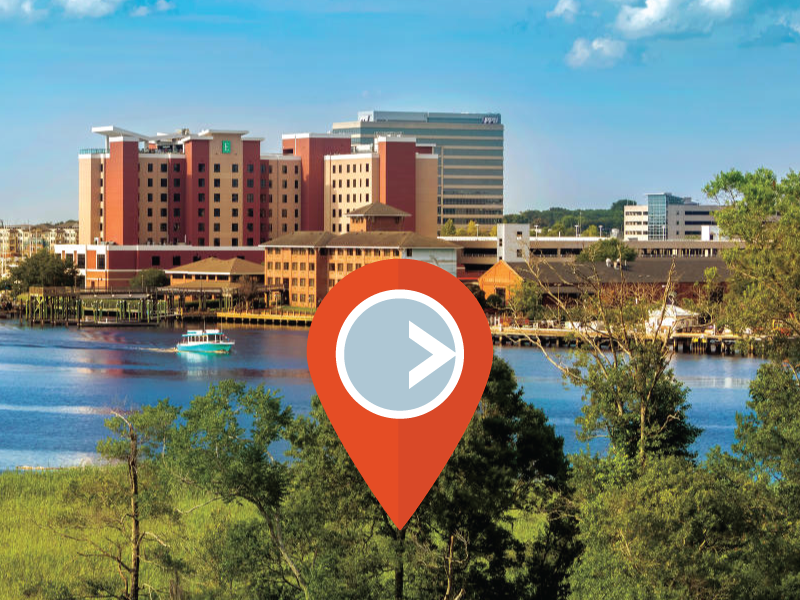
Inside the Market: Wilmington at-a-Glance
How Wilmington really works: proximity creates opportunity, but scale shapes experience
Wilmington’s economy is supported by finance, healthcare, professional services, logistics, and public sector employment, offering a stable but more concentrated job base compared to larger nearby metros. Its location within the Mid-Atlantic corridor provides strong regional connectivity, with access to multiple major employment centers within a relatively short distance. This creates flexibility for employees whose roles span multiple locations or require travel across the region.For employers, Wilmington offers a cost-effective alternative within reach of major markets. The key is helping employees translate that access into a practical, sustainable daily routine.
Wilmington operates as a smaller, more compact market that is heavily influenced by its proximity to larger metropolitan areas
At a high level, access to opportunity appears broad due to regional connectivity. As relocation decisions take shape, the role of scale becomes more apparent. Local options may be more limited, while regional opportunities require additional planning, travel, and coordination.
What defines relocation outcomes in Wilmington is not just proximity, but how intentionally employees connect their home location to both local resources and larger nearby markets.
Where employees typically settle
- Downtown and riverfront areas: Closer to office locations, amenities, and walkable environments
- Nearby residential neighborhoods: Balance of accessibility and community feel within a short distance of the city center
- Suburban communities in northern Delaware and southeastern Pennsylvania: More space and housing variety with commuting ties back into Wilmington or nearby cities
- Areas with rail or highway access: Strategic locations for employees who regularly travel to Philadelphia or other regional hubs
These choices shape not only cost, but how easily employees can access both local and regional opportunities.
Wilmington Housing Market: What Employers Should Consider
Housing in Wilmington provides more flexibility than larger nearby markets, but location still plays a critical role in determining how effectively employees can connect to both work and surrounding areas.
Aspectos clave a tener en cuenta:
- Housing costs are generally lower than nearby major metros, with a range of options across urban, suburban, and transitional areas
- Inventory varies in style and age, with differences in condition and maintenance expectations across neighborhoods
- Proximity to transportation routes is a key factor for employees who rely on regional access
Hidden Challenge:
The smaller scale of the local market can make housing decisions feel less constrained initially. Over time, the importance of location becomes more pronounced, particularly when employees begin relying on regional travel or need consistent access to nearby cities.
Áreas en las que WHR presta apoyo:
- Aligns housing strategy early with both local work location and regional travel needs
- Walks employees through how housing choices influence access to surrounding markets and daily routines
- Coordinates closely with real estate partners to ensure options reflect both current availability and long-term usability
What the Wilmington Environment Means for Employee Adjustment
Wilmington offers a more manageable pace of life compared to larger cities, but that shift in scale brings different expectations around access, activity, and daily routine.
Aspectos clave a tener en cuenta:
- Smaller market size can mean fewer immediate options for dining, entertainment, and services
- Daily routines tend to be more locally focused unless employees actively engage with nearby cities
- Regional travel may become part of regular work or lifestyle patterns
Hidden challenge:
Employees relocating from larger metros may expect a similar level of immediate access to amenities and activity. Adjusting to a smaller, more locally driven environment can require a shift in expectations, particularly around convenience and variety.
Áreas en las que WHR presta apoyo:
- Sets clear expectations around how Wilmington differs from larger markets in scale and accessibility
- Provides practical guidance on how employees can incorporate regional access into their routines
- Supports adjustment by helping employees find a rhythm that works within both the local and regional environment
How Cost is Experienced in Wilmington
Wilmington is often perceived as more affordable, particularly when compared to nearby major cities, but the full cost experience depends on how employees balance housing, transportation, and regional access.
Aspectos clave a tener en cuenta:
- Housing costs are generally more favorable than in surrounding metro areas
- Transportation costs can increase for employees commuting to or interacting with nearby cities
- Lifestyle expenses may vary depending on how frequently employees travel outside the immediate market
Hidden challenge:
Lower housing costs can be offset by increased travel time and transportation expenses, especially for employees who rely on access to nearby metros for work or lifestyle needs
Áreas en las que WHR presta apoyo:
- Connects cost discussions to how employees will actually divide their time between Wilmington and nearby markets
- Builds scenarios that reflect both local living and regional movement
- Aligns cost expectations with long-term patterns, not just initial savings
Wilmington: Career Alignment is a Regionally Connected Market
Wilmington offers a stable local employment base with the added advantage of proximity to larger regional job markets.
Aspectos clave a tener en cuenta:
- Local opportunities are concentrated within a more limited set of industries compared to larger metros
- Regional proximity can expand career options beyond the immediate area
- Access to those opportunities often depends on transportation and commute feasibility
Hidden challenge:
Career options may appear broader than the local market alone would suggest, but accessing regional opportunities requires additional planning and consistent travel
Áreas en las que WHR presta apoyo:
- Aligns relocation decisions with both local employment and regional career pathways
- Provides visibility into how proximity to transportation routes supports career flexibility
- Helps position employees so they can realistically engage with opportunities beyond the immediate market
Wilmington Commute Patterns and Local Strategy
Commute patterns in Wilmington are typically more manageable locally, but become more complex when regional travel is involved.
Aspectos clave a tener en cuenta:
- Driving is common within the local market, with relatively shorter travel times
- Rail and highway access support commuting into nearby cities
- Travel requirements vary significantly based on role expectations and location
Hidden challenge:
Commutes that extend beyond Wilmington can introduce variability in travel time and reliability, particularly for employees balancing local and regional responsibilities.
Áreas en las que WHR presta apoyo:
- Evaluates both local and regional commute scenarios based on real travel patterns
- Helps employees understand how different locations affect long-term consistency
- Ensures commute expectations reflect actual work patterns before relocation decisions are finalized
Wilmington Family and Schooling Considerations
Education plays a role in location decisions across both Wilmington and surrounding suburban areas.
Aspectos clave a tener en cuenta:
- School options vary across districts and communities
- Families often consider both local schools and suburban alternatives
- Housing decisions are closely tied to education priorities
Hidden challenge:
School preferences can narrow location options, especially when combined with commute and regional access considerations
Áreas en las que WHR presta apoyo:
- Integrates school selection into overall location strategy early in the process
- Aligns education choices with commute, housing, and daily routines
- Helps families move forward with decisions that remain practical over time
Por qué es importante para los empleadores
Why proximity only works when it is used intentionally. Wilmington offers a unique advantage through its proximity to major metropolitan areas, but that advantage is only meaningful when employees can consistently access and use it. Relocation outcomes are shaped by how well employees connect local living with regional opportunity. When location, commute, and expectations are aligned early, Wilmington becomes a strategic and sustainable choice.
WHR brings structure to that process, helping employees make decisions that turn proximity into a practical, reliable part of daily life.
Cómo la colaboración con WHR Global puede mejorar su programa de movilidad

WHR helps employees align those choices early, resulting in more consistent routines and stronger long-term outcomes.
“Wilmington offers a different kind of flexibility than larger markets. It gives employees access to a lot of opportunity nearby, but how they experience that depends on how they choose to use it.
Our role is helping employees understand what their day will actually look like, especially if they’re relying on regional access. When those expectations are clear early on, Wilmington can be a very strong and sustainable option.“
– Becca Blanco, WHR Global Sales Manager